Why More People Are Choosing Resistance Clothing for Everyday Activism
The shift from slogan to statement
Walk into any coffee shop in Berkeley, and you will see it: graphic tees that say something. Not just band merchandise or a faded logo from a summer festival, but shirts that carry a message about protest, about belonging, about standing up. This is not a fashion trend that will fade with the next season. It is a cultural shift that has been building for decades, and it has a name: resistance clothing.
Resistance clothing is not a single brand or a specific cut of fabric. It is a category of apparel that signals where the wearer stands on issues of democracy, civil liberties, and free speech. It is the shirt you wear to a march, the hoodie you pull on when you want the world to know you are paying attention. And it has roots that go much deeper than the current political climate.
A brief history of wearing your politics
The idea of clothing as protest is not new. In the 1960s, the Free Speech Movement at Berkeley turned the simple act of wearing a pinned button into a political statement. Students used their clothes to broadcast their opposition to censorship and their support for civil rights. That spirit carried through the punk era, when band merchandise and hand-stenciled jackets became a way to reject mainstream culture.
By the 1990s, companies like Patagonia and Nike had started to understand that consumers wanted more than just a swoosh or a mountain logo. They wanted to align themselves with causes. Patagonia built its whole identity around environmental activism, donating a percentage of sales to grassroots groups and using organic cotton long before it was popular. Nike, meanwhile, started to wade into social issues with campaigns that supported athletes who spoke out on race and equality.
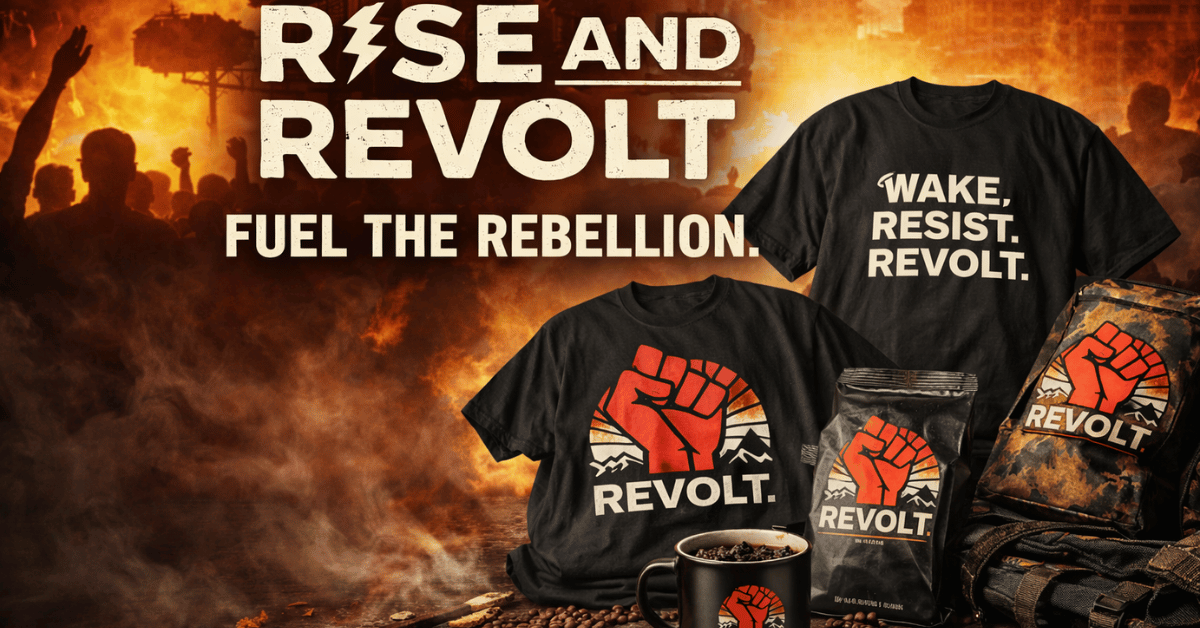
But the real turning point came with the rise of social media and movements like Black Lives Matter. Suddenly, a shirt could go viral. A design could be shared across the world in hours. The demand for clothing that expressed solidarity with a cause exploded, and small shops on Etsy and big retailers like Walmart alike scrambled to meet it. That is when resistance clothing became a recognizable category, not just a niche for activists.
What makes clothing part of the resistance
Not every shirt with a message counts as resistance clothing. The difference is in the intent and the design. A lot of what you see on the racks at a store like Walmart or even at a concert venue is generic: a vague slogan about peace or a recycled image from a famous protest. Real resistance clothing is specific. It names the issue. It calls out the injustice. It uses satire and sharp language, not just a feel-good platitude.
The production methods matter too. Many people who buy resistance clothing want to know that the shirt was made ethically. That means looking for fair trade certifications, organic cotton, and brands that pay their workers a living wage. American Apparel used to be a go-to for this kind of garment because it manufactured locally and paid above minimum wage. Today, Gildan has stepped up with its own sustainable lines, and smaller brands on Etsy often hand-press their designs using silkscreen printing, which gives each piece a handmade, authentic feel.
There is a trade-off here. Ethical production costs more. A shirt from a fast-fashion chain might cost ten dollars, while a fair trade, organic cotton shirt from a small activist brand can run thirty or forty. For people on a tight budget, that difference is real. But the argument many make is that the shirt itself is a tool. If you are going to wear your values, you should also make sure the shirt was made by people who were treated fairly.
The role of protest art in fashion
Protest art has always been a cousin of resistance clothing. The same visual language that appears on posters and murals shows up on graphic tees. Bold typography, stark imagery, and a clear message. Some of the most powerful protest art of the last decade has come from artists who also design shirts. Groups like Greenpeace and the ACLU have partnered with designers to create limited-edition shirts that raise money for their work.
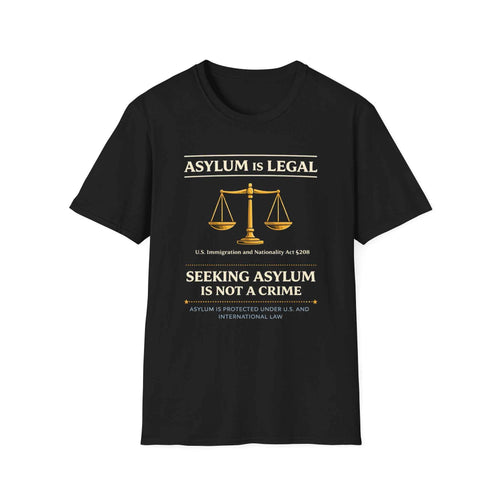
What is interesting is how this art moves between contexts. A design that started as a protest poster at a Black Lives Matter rally might end up on a shirt sold through a site that also sells coffee and hats. The design travels with the movement. It becomes a badge of honor, a way to show that you were there or that you support those who were.
Burning Man is another place where this kind of clothing culture thrives. The festival has long been a space for self-expression through costume and art, but in recent years, more attendees are wearing pieces that carry political messages. The line between costume and protest has blurred, and that has pushed the aesthetic of resistance clothing to be more creative, more colorful, and more personal.
Brands that get it right and brands that miss
Some brands have built their entire identity around resistance clothing. Supreme started as a skate shop in New York, but its limited drops and collaborations with artists have turned it into a cultural force that often engages with political themes. Vans has also leaned into this space, running campaigns that support skateboarding as a form of protest and community building.
But not every attempt lands. When a big corporation tries to cash in on a movement without understanding it, the result feels hollow. Shoppers can tell the difference between a brand that genuinely supports a cause and one that is just chasing a trend. That is why many activists prefer to buy from small makers on Etsy or from organizations like the ACLU, where the money goes directly to the fight.
Practical tips for choosing resistance clothing
- Look for specifics. A shirt that names a policy, a person, or an event is usually more meaningful than a vague slogan.
- Check the label. Organic cotton and fair trade certifications are a sign that the maker cares about more than just the message.
- Support small printers. Silkscreen printing by hand creates a unique piece and often supports local artists.
- Think about durability. A shirt you wear to protests and rallies needs to hold up. Gildan and American Apparel both make heavy-weight blanks that last.
- Consider the fit. A lot of activist tees are unisex, but brands are starting to offer more inclusive sizing and cuts.
Where resistance clothing is headed
The future of resistance clothing looks a lot like the future of activism itself: decentralized, personal, and digital. More people are designing their own shirts using print-on-demand services, which means a single person can create a design, share it on social media, and have shirts shipped directly to supporters without ever touching inventory. That lowers the barrier to entry and allows niche causes to get their message out.
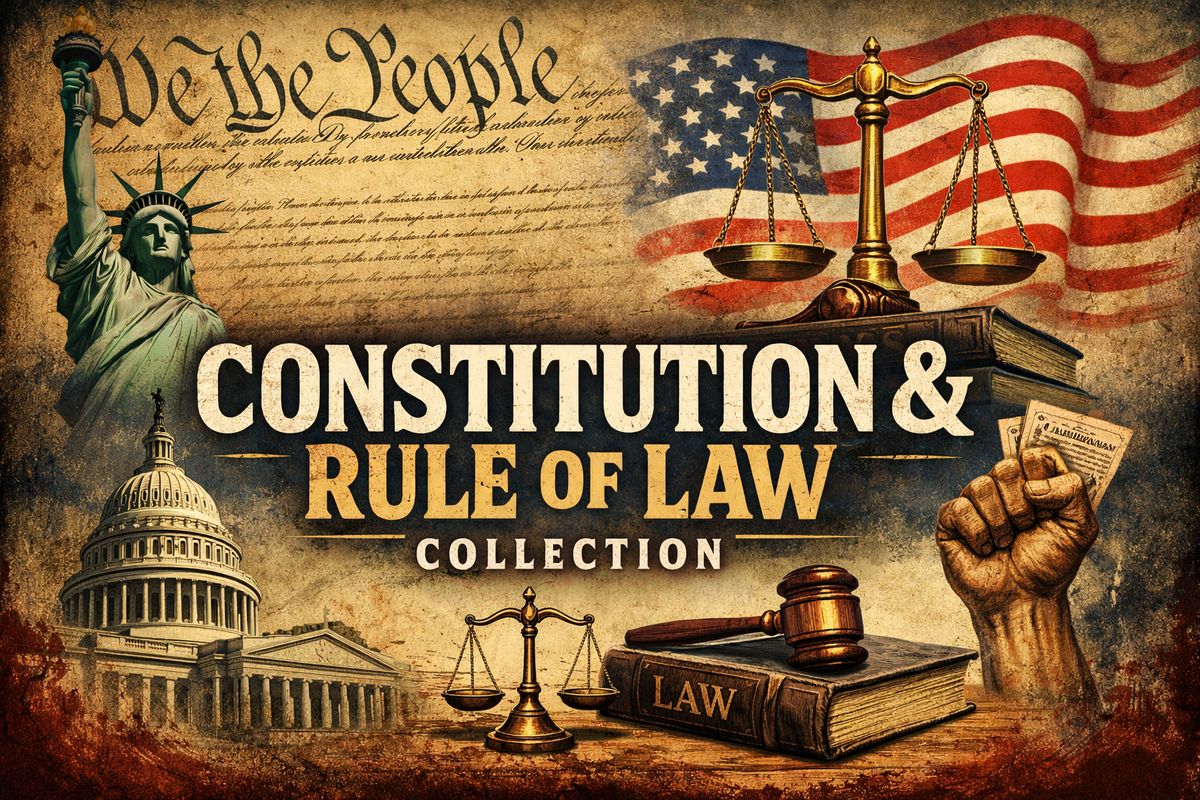
At the same time, the big players are paying attention. Patagonia continues to set the standard for corporate activism, and Nike has shown that it is willing to take stands that alienate some customers. But the real energy is still at the grassroots level. Walk through a protest today, and you will see shirts from a dozen different small brands, each one a statement not just about the issue but about who made it and why.
Resistance clothing is not a uniform. It is a tool, a conversation starter, and a way to signal solidarity. Whether you buy from a big brand or a small shop on Etsy, the important thing is that you wear it with intention. Every time you put it on, you are telling the world what you stand for. And in a time when so much feels out of control, that small act of defiance matters.